
Nearly 80% of the global workforce doesn’t sit at a desk. Most corporate training programs still operate under the assumption that employees do.
This disconnect leaves sales enablement teams unable to effectively reach frontline workers—pharmaceutical reps, retail associates, and field technicians—who spend their days in hospitals, stores, or customer sites. These employees deal with constant change: new products, shifting regulations, and updated pricing. Training designed for office workers with scheduled learning time often fails to meet their needs.
The challenge grows in large enterprises. Sales teams operate across multiple regions, each with distinct product lines and regulatory requirements. Some roles demand deep technical knowledge, while others focus on customer conversations. The demand for training outpaces even well-staffed enablement teams.
Many organizations try to solve the problem by producing more content. But quantity doesn’t address the real issue: delivering the right information to the right person when it matters most.
From Training to Readiness
Leading companies are changing their approach. Success is no longer measured by course completions or certifications but by how quickly sales teams adapt to change.
Artificial intelligence helps drive this transition by making learning more accessible for workers without desk access. The biggest benefit isn’t faster content creation but providing support before, during, and after customer interactions.
Personalized Learning Over One-Size-Fits-All
Most sales enablement programs still distribute identical content to large groups. AI improves this by customizing recommendations based on role, region, product focus, performance data, and business priorities.
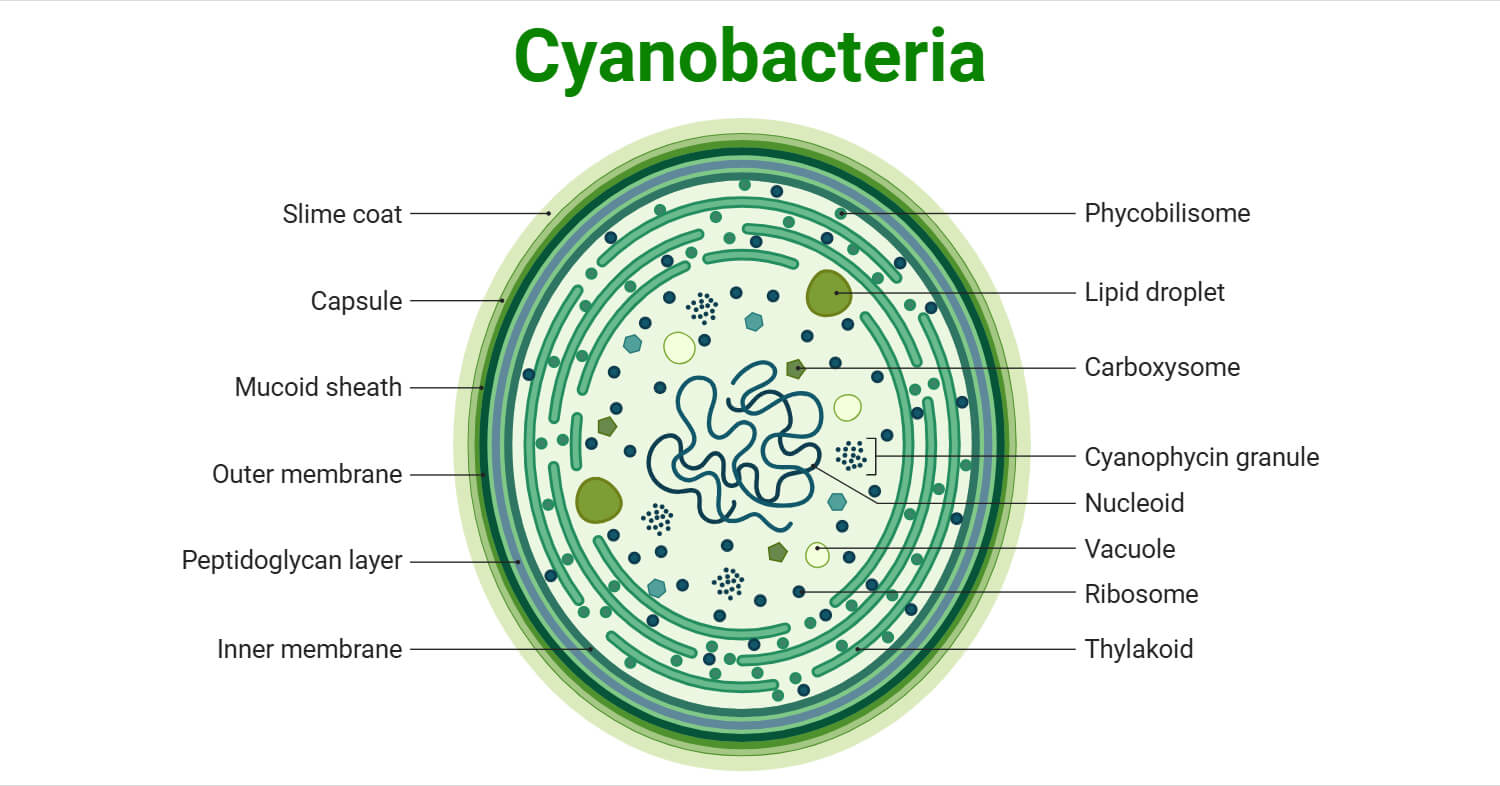
Related: What is Cyanobacteria?
For frontline workers, microlearning becomes far more effective when AI surfaces relevant content on demand. A field sales rep preparing for a meeting might get a three-minute refresher on product benefits, common objections, and competitive differences—without searching through documents. The change makes learning immediate and practical.
Coaching at Scale
Managers aim to provide more coaching. Salespeople seek more feedback. Time constraints make this difficult. AI-powered tools help by simulating conversations—discovery calls, objections, negotiations—allowing reps to practice safely.
These platforms offer instant feedback on messaging, questioning techniques, and confidence. While human coaching remains important, AI expands opportunities beyond what managers can provide alone—especially for teams spread across locations.
Performance Support When It Matters Most
Organizations once expected employees to memorize training content. AI reverses this model. Instead of relying on retention, workers access trusted information instantly—product specs, pricing updates, competitor comparisons—through AI assistants.
For frontline employees in fast-moving environments, this capability directly improves performance. The focus moves from knowledge retention to knowledge accessibility.
AI Agents as Enablement Orchestrators
AI assistants help employees find information. AI agents take it further by automating workflows for enablement teams.
During a global product update, an AI agent could scan approved materials, identify affected sales roles, flag outdated assets, and suggest updates. It might trigger microlearning or FAQ creation, route content for review, track regional approvals, and alert teams to readiness gaps.
Related: How to read and retain more in less time
This method helps sales enablement leaders transition from managing training programs to overseeing intelligent ecosystems. AI agents can monitor product launches, recommend learning paths, generate reinforcement content, and identify emerging skill gaps—without waiting for employees to ask for help.
Such systems are replacing traditional content factories with more dynamic agentic AI solutions that adapt to real-time needs.
Multilingual Enablement as a Competitive Edge
Global enterprises face another hurdle: sales enablement rarely happens in a single language. Products launch across regions, teams operate in different countries, and partners require localized support.
AI tools speed up translation and localization. Others generate multilingual voiceovers and video assets. The objective isn’t just translation but ensuring every sales rep, regardless of location, receives consistent, high-quality information.
What Comes Next
Successful organizations no longer view AI as just a content creation tool. They treat it as an operational capability.
Rather than counting launched courses, they measure how quickly their workforce adapts to change. Instead of tracking learning activity, they track readiness. The emphasis shifts from training delivery to performance support.
The change is overdue for frontline workers.


Leave a Reply